
House Republicans Propel Forward with Trump’s Ambitious Tax Reduction Proposal
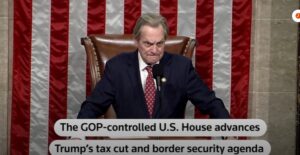
In a significant move late Tuesday evening, House Republicans have successfully pushed ahead with President Donald Trump’s expansive tax cut agenda, marking a pivotal moment for his 2025 priorities. The vote, narrowly passing with a 217-215 margin, reflects the party’s commitment to extending the tax cuts originally implemented in 2017, which are set to expire by the end of this year. This decision, made just hours before midnight on February 25, 2025, sets the stage for a broader legislative push that includes not only tax relief but also increased funding for border security, energy deregulation, and military spending.
The approval came after intense negotiations and an unusual series of maneuvers by House Speaker Mike Johnson, who initially canceled the vote due to insufficient support but quickly reversed course to secure passage. This budget resolution, which includes up to $4.5 trillion in tax cuts over the next decade, is a critical first step toward using a legislative tool called reconciliation. This process allows Republicans to bypass a Democratic filibuster in the Senate, requiring near-unanimous support within their slim House majority.
While the plan has energized Trump’s base, it has sparked debate. The proposal aims to provide tax relief for working families, small businesses, and corporations, while also addressing fiscal concerns through $2 trillion in proposed spending reductions over ten years. However, concerns linger among some Republicans and Democrats alike about the potential impact on social safety net programs like Medicaid, as well as the overall effect on the national deficit, which already stands at over $36 trillion. Critics argue that the tax cuts, which disproportionately benefit higher-income individuals and corporations, could exacerbate financial pressures on middle- and working-class families.
As the resolution now moves to the Senate, where Republicans are expected to take it up, the coming weeks will be crucial in determining how these policies will shape the economic landscape. This development underscores the ongoing tension within the Republican Party as they balance Trump’s ambitious agenda with fiscal responsibility, while facing strong opposition from Democrats who warn of the plan’s potential to widen inequality and strain public resources.